

Time-of-Use Rates
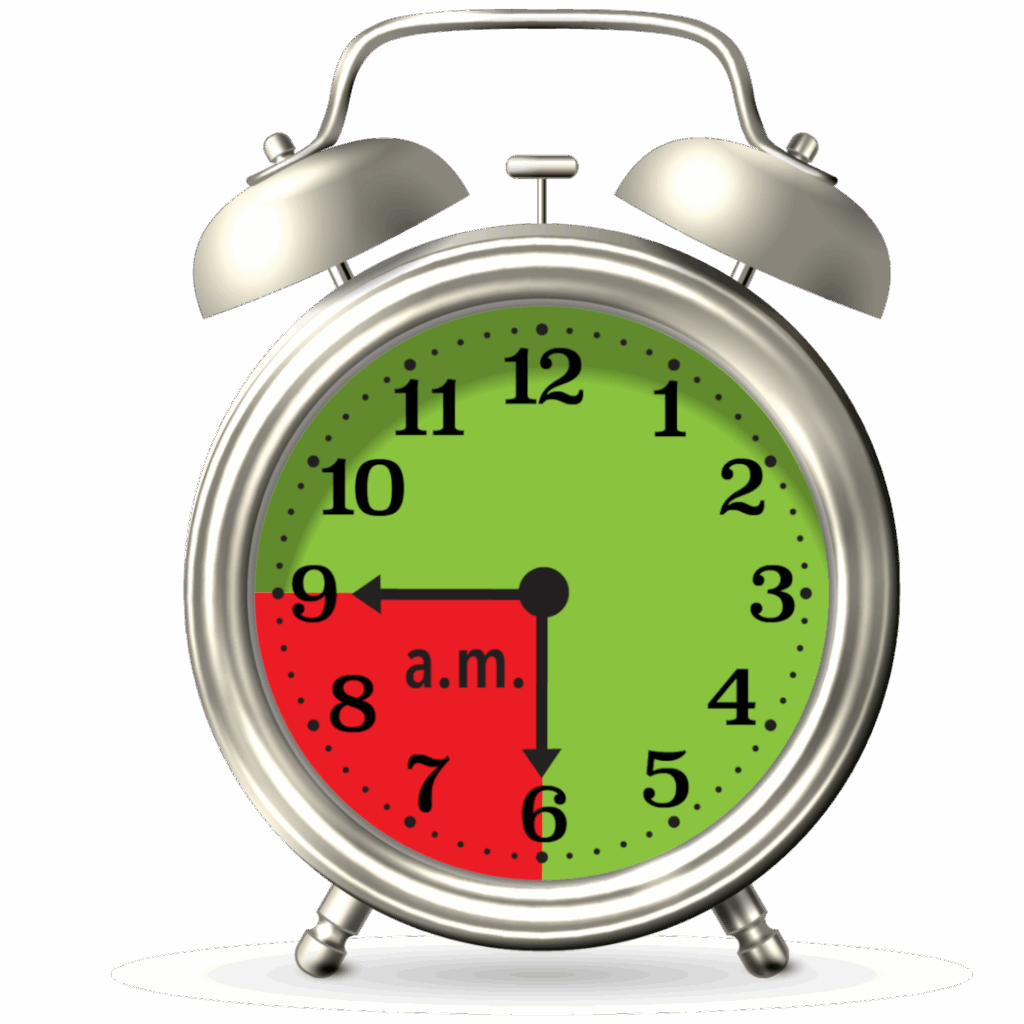
Winter Peak Hours
November – March
6:00 a.m. – 9:00 a.m.
7 days a week
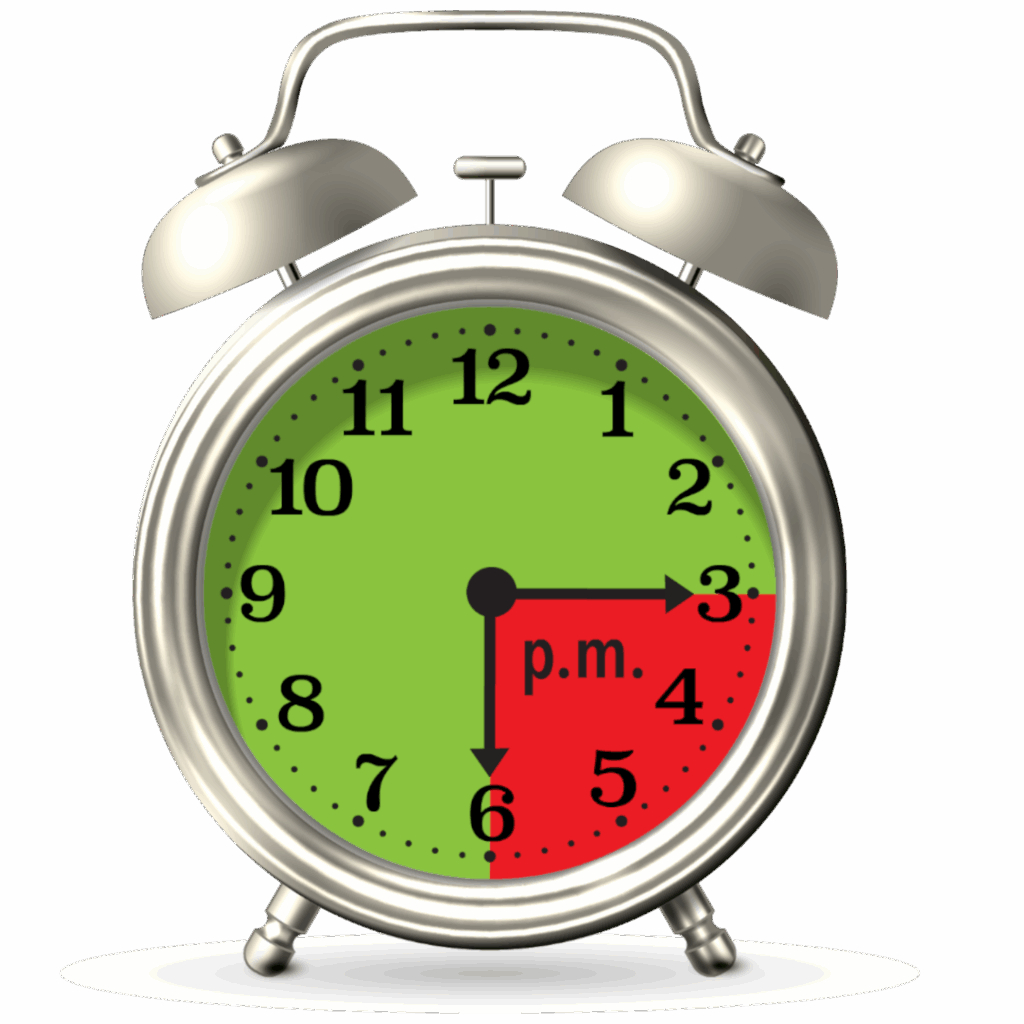
Summer Peak Hours
April – October
3:00 p.m. – 6:00 p.m.
7 days a week
Time-of-Use (TOU) electric rates better align the rates we charge with the costs that we pay for electricity. PWC’s advanced meters provide customers the opportunity to manage their electricity usage during peak and non-peak times through TOU rates. Customers who shift their usage from peak times will lower their price per kilowatt-hour (kWh)thereby lowering their bill and also lowering PWC’s demand rates paid to Duke Energy Progress (DEP).
- Time-of-Use Rates are billed with On and Off-Peak Rates.
- Off-Peak hours are 35% lower than during peak times. Effective April 1, 2025, daily On-Peak hours were reduced to be only 3 hours every day, and will now include weekends and holidays.
- Off-Peak are 21 hours each day. Because the demand for electricity changes depends on the seasons of the year, Peak hours are different in the summer and winter months. You can login to your PWC account information to review your historical on and off-peak energy usage.
TOU Frequently Asked Questions | TOU for Non-Residential Customers
Whole Home/Super Off Peak Rates Available
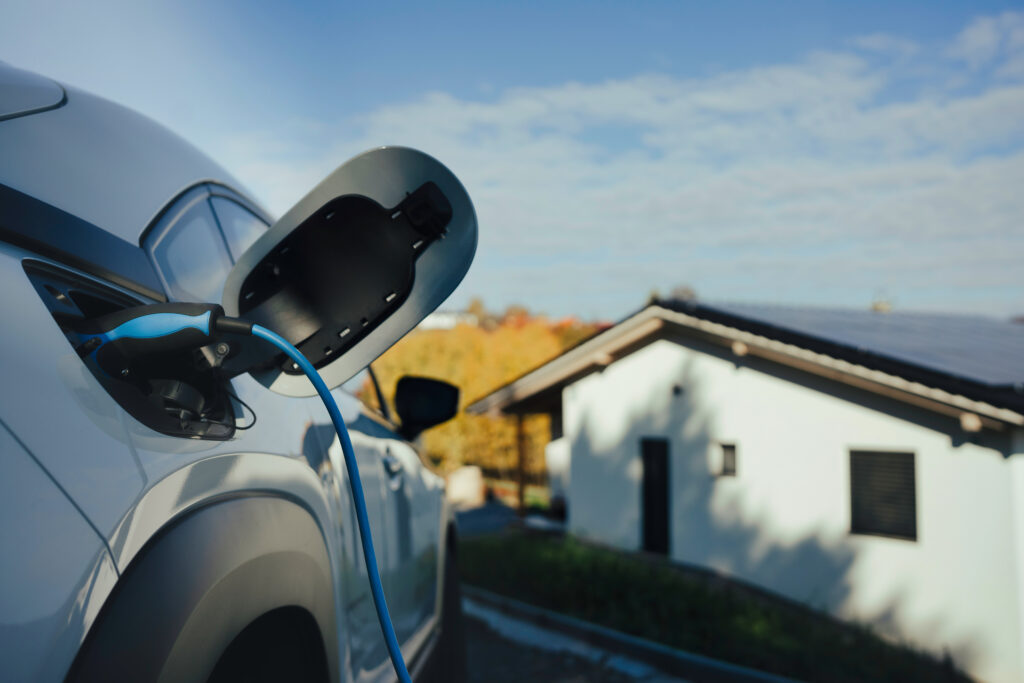
As of May 2023, PWC offers an elective Whole Home rate that features a super Off-Peak rate daily from 9:00 p.m.-5:00 a.m. Customers who sign up for the rate, pay a higher basic facility charge and On-Peak rate and their super Off-Peak rate ($0.05169) is 44% lower than Off-Peak rates ($0.09207). All customers are eligible to sign up for the Whole Home rate and the rate may be the most beneficial to Electric Vehicle owners. If you own an EV, can charge your vehicle at home, and drive at least 16 miles a day/480 miles a month, the Whole Home rate can help you save! Call 910-483-1382 to speak with a PWC representative and request to participate in our Whole Home electric rate.
Click here for information on Time-of-Use Electric Rates for Non-Residential Customers.
Conservation Tips to Maximize Savings with Time-of-Use Rates
Use these helpful tips to take advantage of Time-of-Use rates to lower your electric bills by conserving and shifting consumption from Peak to Off-Peak hours. Rates for electricity used during off-peak hours are 35% lower than during peak times.
Heating and Cooling: account for a large portion of your electric use.
During peak hours:
- Turn your thermostat up in warm weather, down when it’s cold – air conditioning at 78 degrees and heat at 68 degrees still “feels great.” A programmable thermostat will make this easy.
- Close blinds or drapes to keep the sun or the cold air out.
- Have your heating/cooling systems serviced annually so they operate efficiently.
- Don’t open doors unnecessarily or hold them open.
- Use fans to make the temperature feel about 4 degrees cooler.
- Minimize the use of appliances, such as your oven/stovetop, that add heat to the house.
Water Heaters: are the next highest energy users.
During peak hours:
- Avoid using large amounts of hot water (for washing clothes, bathing, etc).
- Turning your water heater off during peak hours; a simple water heater timer will do it for you.
- If you have to do laundry, use cold water settings.
In General:
- Wash and dry laundry and run your dishwasher during off-peak hours.
- Consider purchasing “smart” appliances, now offered by some manufacturers, and connecting them to home energy management system; this can make a big difference, making it easy to save more with Time-of-Use Rates.
- Take showers/baths during off-peak hours.
- Unplug electronics that are not in use.
- Be extra vigilant about conserving power in any way you can during peak hours.
Frequently Asked Questions – Time-of-Use
What are Time-of-Use Rates?
You will pay different rates for electricity based on when you use it. Rates are lower when it costs us less to provide electricity and they go up when both the demand and cost for electricity increase.
Why do we have Time-of-Use Rates?
This new structure mirrors how we’re billed by Duke Energy, from whom we purchase our power. We are charged each month for the energy we use (kWh) and the demand or capacity which is Duke being able to provide energy when we have the highest demand or use. Annually we pay Duke about $140 Million for power and the demand/capacity is around $80 million of that or 57% of that cost so reducing our demand or our use during those peak times can reduce costs significantly.
How is PWC passing that savings to customers?
Passing that saving opportunity on our customers, Time-of-Use Rates can lower electric bills when you conserve and shift consumption from Peak to Off-Peak hours when rates for electricity used during Off-Peak hours are 35% lower than during peak times. In fact the off-peak rate is actually 10% less expensive than the current flat rate that PWC charges.
When are the Peak hours?
Starting on April 1, 2025, On-Peak hours will happen only three hours of the day, including weekends and holidays. Because the demand for electricity changes depending on the seasons of the year, Peak hours are different in the summer and winter months.
- In the summer, Peak Hours are in the afternoon from 3 p.m. to 6 p.m., 7 days a week
- In the winter, Peak Hours are in the morning, from 6 a.m. to 9 a.m., 7 days a week
How does PWC know the hours I use my power?
Unlike older/traditional electric meters that PWC read once a month, PWC advanced meters record your usage hourly.
Why does one of my meter readings show decimals and the other does not?
Meter readings less than 1 kWh, have been shown as a fraction or decimal on your bill. Due to the transition to Time-of-Use Rates, PWC is no longer using decimals in the calculation of your electric bill. During the transition, you may see a decimal on your beginning meter reading and whole numbers your ending meter read. Going forward all your meter readings will be whole numbers.
My On Peak Usage was zero. How is this possible when there are three hours in the day that are On Peak?
The electric meter provides readings for your total usage and also provides hourly detail of when that power was used. Complete hourly detail may not always be available at the time of billing, and so customers are billed at the lowest (off-peak) rate for any kWh used when hourly detail is not available.
Typical Household Hourly Load Profile
Find your load profile (hourly usage dashboard) as well as daily and monthly comparisons on the Online Account Manager.