Backflow Prevention: Residential Customers
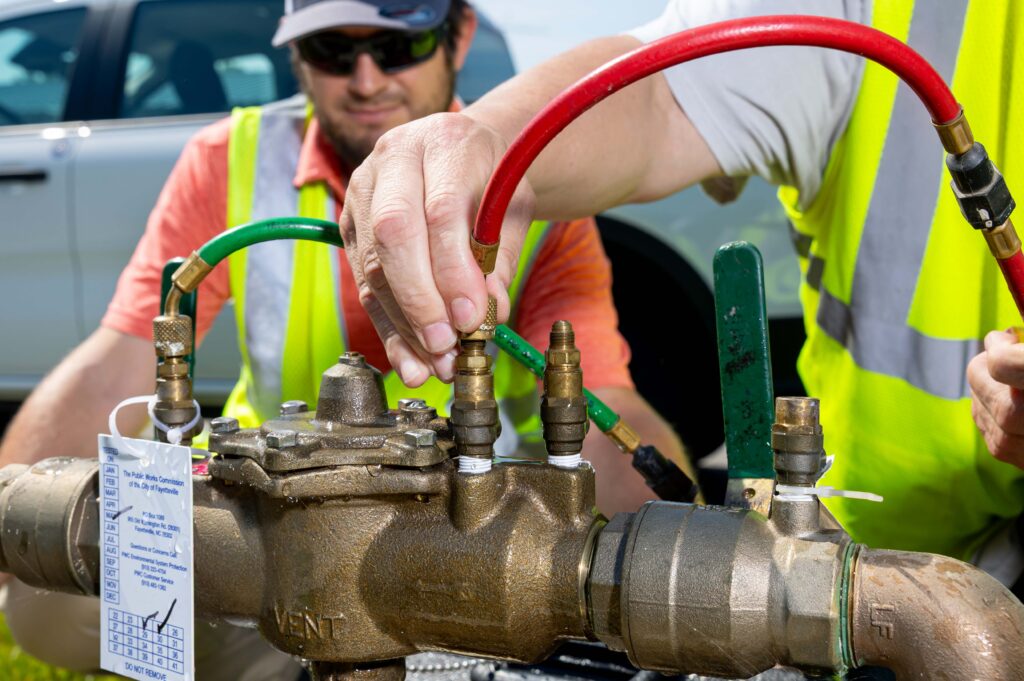
You can help protect Fayetteville’s drinking water at home by having a Backflow Prevention Device that works properly.
Backflow Prevention Devices help ensure that water flows safely in one direction from the public water system into your home. Backflow occurs when water pressure drops unexpectedly, causing contaminated water from a home plumbing system to reverse direction and enter the public drinking water supply. This can occur during events such as water main breaks, fire hydrant use, frozen pipes, and sudden high-water demand.
But many everyday household fixtures and equipment can become a backflow contamination hazard, too, if not properly protected. Common examples include:
- Irrigation/sprinkler systems (fertilizers and lawn chemicals can siphon backward)
- Garden hoses connected to pools, buckets, or chemical containers
- Outdoor hose bibs without vacuum breakers
- Boilers or radiant heating systems
- Private wells connected to home plumbing
- Water features (fountains, ponds) connected to the drinking supply
- Whole-house filtration or water treatment systems installed improperly
Regulations That Apply to Residential Customers
Residential backflow prevention is governed by the following local, state, and federal regulations:
- City of Fayetteville’s Cross Connection Control Ordinance
- North Carolina Administrative Code (15A NCAC 18C .0300 – Cross-Connection Control)
- Safe Drinking Water Act (U.S. EPA)
These rules require public water suppliers, like PWC, to ensure customers with potential hazards have properly installed and tested devices. Although PWC does not create these regulations, PWC is required to enforce them on behalf of those organizations. Penalties collected through enforcement are sent directly to the Cumberland County School System, as required by state law.
Does Your Home Have a Backflow Prevention Device?
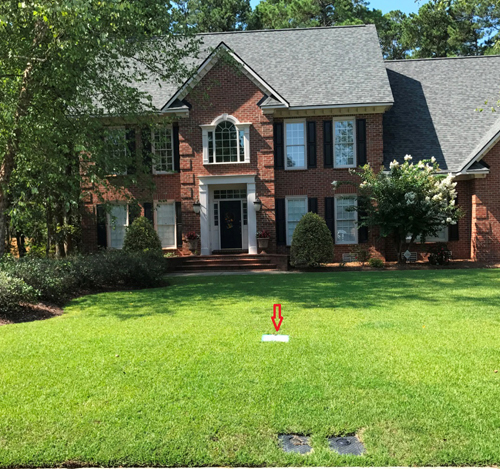
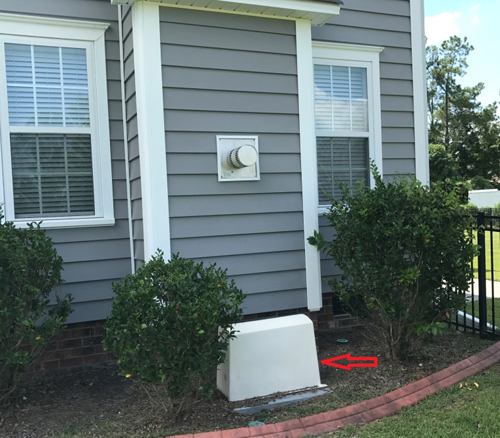
Some homes do have a Backflow Prevention Device, especially if they have outdoor irrigation or special plumbing features. You can determine if your home has a Backflow Prevention Device by checking the following:
- Near Your Water Meter: Look for a valve assembly installed in a rectangular or circular meter box near the street.
- Attached to Your Irrigation System: Irrigation backflow assemblies are usually above ground and located close to the main sprinkler shutoff.
- Inside Mechanical or Utility Rooms: Homes with boilers, fire suppression pumps, or filtration systems may have internal protection devices.
If you are unsure, a licensed plumber or irrigation contractor can confirm.
Maintaining Backflow Prevention Device Compliance at Home
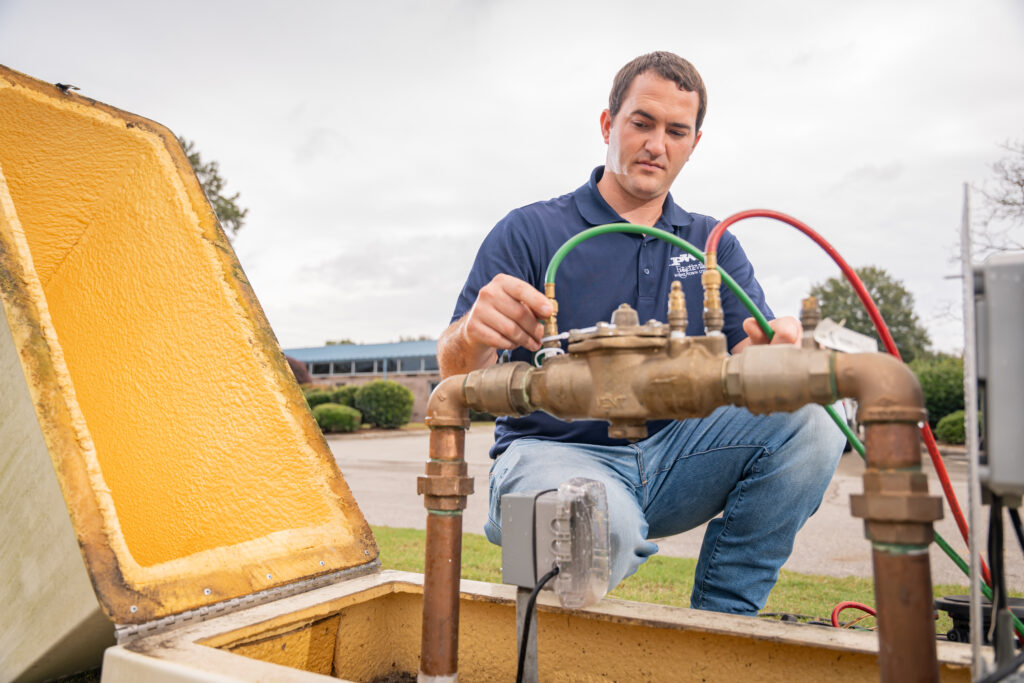
Residential backflow prevention devices must be inspected every three (3) years by a Certified Backflow Assembly Tester. PWC uses certified inspectors to perform tests for residential customers. This test is performed outside of your home and does not require entry to your residence.
Things to Remember
- Residential customers will receive mailed notices if their residential system fails inspection and requires repairs or replacement (View sample notification).
- If a device fails its inspection, it must be repaired or replaced immediately, according to current state plumbing code requirements.
- Backflow Prevention Devices should always be accessible from the roadside.
- Assemblies should remain above ground, unobstructed, and protected from freezing.
- Any licensed plumber can assist you in determining the appropriate course of action for your backflow preventer. It may be in your best interest to select a licensed plumber who is also a PWC Certified Tester. A list of Certified Testers is available at the bottom of this page.
- Once the repair or replacement is complete, it must be retested by a PWC Certified Tester.
Have Questions?
For questions about residential backflow requirements, device testing, or compliance, please contact Fayetteville PWC’s Environmental System Protection Team at one of the following:
- Phone: (910) 223-4704
- Email: EnvironmentalSystemProtection@faypwc.com
Certified Backflow Assembly Testers
List updated as of January 2026:
- 1-800-Plumbing: (910) 483-9388
- 1st American Plumbing Inc.: (910) 734-1557
- A&K Services: (910) 476-5866
- A1 Landscaping: (910) 850-6236
- All American Plumbing: (910) 822-4287
- All American Fire Protection: (910) 496-0600
- Alpine Construction Services: (919) 935-1388
- Bass Air & Plumbing: (910) 424-3570
- Battles Backflows: (919) 888-5208
- BFPE International: (800) 849-8886
- Billy’s Plumbing Service: (910) 485-5175
- Blackwell Landscaping: (910) 237-1044
- Blanton’s Heating And A/C: (910) 867-5309
- Bottle Free Water Plumbing By BFW: (910) 229-2900
- Budget Rooter: (910) 960-2564
- C&C Irrigation And Lighting, Inc: (910) 980-1535
- Cardinal Landscaping: (910) 867-9595
- Carolina Fire Protection: (910) 892-1700
- Daniel’s Plumbing Co.: (910) 423-7444
- Dave Marks Irrigation: (910) 806-7955
- Denali Piping & Mechanical Llc: (910) 527-1696
- Dennis Plumbing: (910) 973-5069
- Fayetteville Plumbing Company: (910) 818-6526
- Fire Service Pros LLC: (910) 263-8816
- Flow-Rite Plumbing: (910) 466-4419
- Fulton Plumbing: (910) 988-3187Glory Facilities Maintenance: (919) 798-1517
- Green Biz Nursery: (910) 323-8811
- Haire Plumbing: (910) 483-1421
- Happy Contracting Services LLC: (910) 495-5124
- Hunt’s Backflow Testing: (910) 374-6790
- Irrigate NC: (910) 308-4046
- Ivey Mechanical: (910) 304-1277
- Jason Durden: (910) 734-8754
- McKenzie Plumbing Co.: (910) 764-2200
- Mike’s Plumbing: (910) 885-5353
- Mobley Enterprises Inc.: (910) 987-0701
- O’day Plumbing Services: (910) 476-1119
- Phoenix Fire Protection: (919) 774-3042
- Pipeworx Plumbing: (919) 775-1020
- Proflow Plumbing And Drain Solutions: (910) 929-7459
- Ray Parker Jr.: (910) 308-8963
- Roto-Rooter: (910) 488-6229
- Timmy Tyner: (910) 494-5286
- Titan Environmental Solutions: (910)-658-9665
- Unlimited Fire Inspection: (919) 894-2292
- Unifour Fire and Safety: (828) 328-6363
- Wade Hardin Plumbing: (910) 486-0334
- Woods Plumbing: (910) 920-3908