Backflow Prevention: Non-Residential Customers
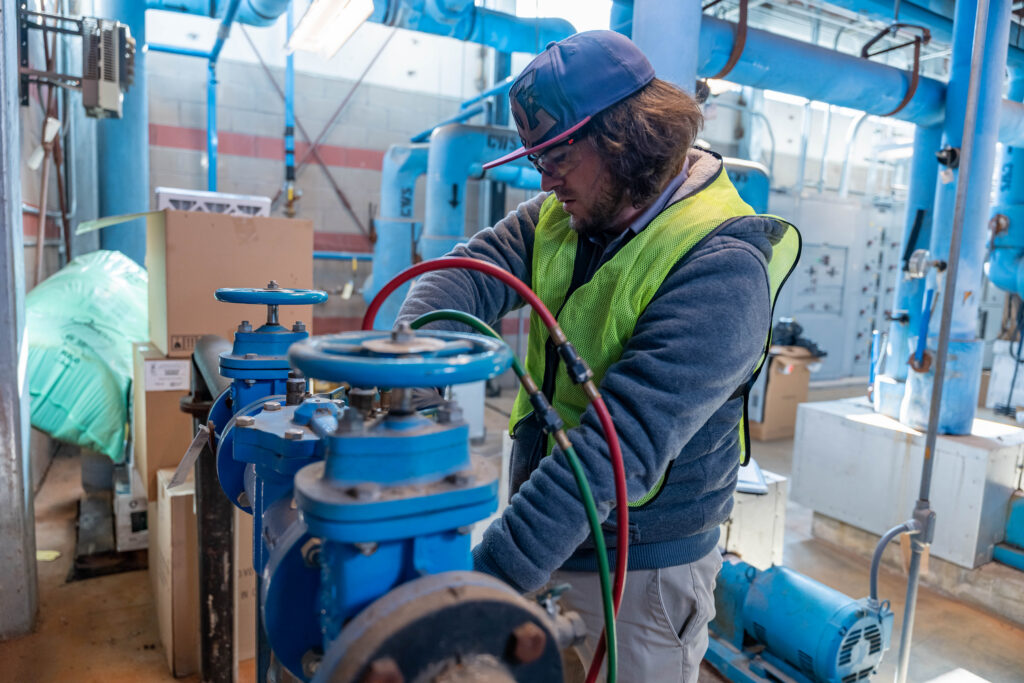
Every business plays a critical role in protecting Fayetteville’s water supply. Commercial plumbing systems often present higher risks for contamination, which is why state and federal regulations require backflow prevention devices on many nonresidential properties.
Fayetteville PWC is the enforcement agency for these regulations. PWC does not create regulations. Our responsibility is to enforce them to protect public health. All penalties collected for noncompliance are sent to local school systems as mandated.
Businesses and Commercial customers are required to have all testable backflow preventers inspected annually by a Certified Backflow Assembly Tester. Scheduling inspections is the responsibility of the nonresidential/commercial customer. Below is a list of certified testers as of April 2026*:
- 1-800-Plumbing: (910) 483-9388
- 1st American Plumbing Inc.: (910) 734-1557
- A Duke Services: (336) 420-2702
- A&K Services: (910) 476-5866
- A1 Backflows: (910) 699-0214
- After 5 Backflow: (336) 772-0507
- All American Plumbing: (910) 822-4287
- All American Fire Protection: (910) 496-0600
- Alpine Construction Services: (919) 935-1388
- Bass Air Conditioning Company: (910) 302-3938
- BFPE International: (800) 849-8886
- Billy’s Plumbing Service: (910) 485-5175
- Blackwell Landscaping: (910) 237-1044
- Blanton’s Heating And A/C: (910) 867-5309
- Bottle Free Water Plumbing By BFW: (910) 229-2900
- Budget Rooter: (910) 960-2564
- C&C Irrigation And Lighting, Inc: (910) 980-1535
- Cardinal Landscaping: (910) 867-9595
- Carolina Fire Protection: (910) 892-1700
- Carolina Commercial Plumbing & Mechanical: (910) 507-7473
- Crossroads Fire Protection Inc.: (919) 207-3855
- Daniel’s Plumbing Co.: (910) 423-7444
- Dave Marks Irrigation: (910) 806-7955
- Denali Piping & Mechanical Llc: (910) 527-1696
- Dennis Plumbing: (910) 973-5069
- Duk Water Service: (910) 446-3664
- Fayetteville Plumbing Company: (910) 8C18-6526
- Fire Service Pros LLC: (910) 263-8816
- Flow-Rite Plumbing: (910) 466-4419
- Flex Plumbing (910) 939-3539
- Fulton Plumbing: (910) 988-3187
- Glory Facilities Maintenance: (919) 798-1517
- Haire Plumbing: (910) 483-1421
- Happy Contracting Services LLC: (910) 542-2526
- Hunt’s Backflow Testing: (910) 374-6790
- Irrigate NC: (910) 308-4046
- Ivey Mechanical: (910) 304-1277
- Jason Durden: (910) 734-8754
- Lucid Plumbing Solutions LLC: (910) 683-6053
- McKenzie Plumbing Co.: (910) 764-2200
- Mike’s Plumbing: (910) 885-5353
- Mobley Enterprises Inc.: (910) 987-0701
- O’day Plumbing Services: (910) 476-1119
- Phoenix Fire Protection: (919) 774-3042
- Pipeworx Plumbing: (919) 775-1020
- Proflow Plumbing And Drain Solutions: (910) 929-7459
- Ray Parker Jr.: (910) 308-8963
- Roto-Rooter: (910) 488-6229
- Synergy Backflow Solutions, LLC: 704-622-1047
- Timmy Tyner: (910) 494-5286
- Titan Environmental Solutions: (910)-658-9665
- Unlimited Fire Inspection: (919) 894-2292
- Unifour Fire and Safety: (828) 328-6363
- Wade Hardin Plumbing: (910) 486-0334
- Woods Plumbing: (910) 920-3908
- Zgoda Fire Protection: (919) 368-7464
*This is a list of companies who employ certified backflow prevention assembly testers approved to test and repair all types of backflow prevention assemblies installed in the PWC water system. They are listed in alphabetical order; there is no implication of preference of companies.
Commercial properties must comply with the following state and federal regulations:
- North Carolina Plumbing Code – Chapter 6 (Water Supply and Distribution)
- North Carolina Administrative Code (15A NCAC 18C .0300 – Cross-Connection Control)
- Safe Drinking Water Act (U.S. EPA)
These regulations establish hazard classifications, device types, installation requirements, and testing frequency. A Nonresidential customer whose backflow system inspection status has lapsed will be notified and face potential penalties.
Why Backflow Prevention Matters
Commercial facilities often use chemicals, pressurized systems, industrial equipment, and specialized water processes. Without proper backflow prevention, contaminants can be pulled into the public drinking water system during pressure drops.

Commercial facilities often use chemicals, pressurized systems, industrial equipment, and specialized water processes. Without proper backflow prevention, contaminants can be pulled into the public drinking water system during pressure drops.
Businesses That Typically Have Backflow Prevention Systems
Many types of buildings and facilities are required to maintain backflow prevention devices due to increased risk levels. These may include the following
- High-Hazard Facilities
- Manufacturing plants
- Medical and dental offices
- Laboratories
- Car washes
- Chemical processing facilities
- Hospitals, clinics, and veterinary practices
- Commercial laundry services
- Food and beverage processors
- Moderate-Hazard Facilities
- Restaurants
- Retail stores
- Apartment complexes
- Hotels
- Schools and universities
- Office buildings
- Churches
- Daycares
- Mixed-use complexes
- Structures with Specialized Plumbing
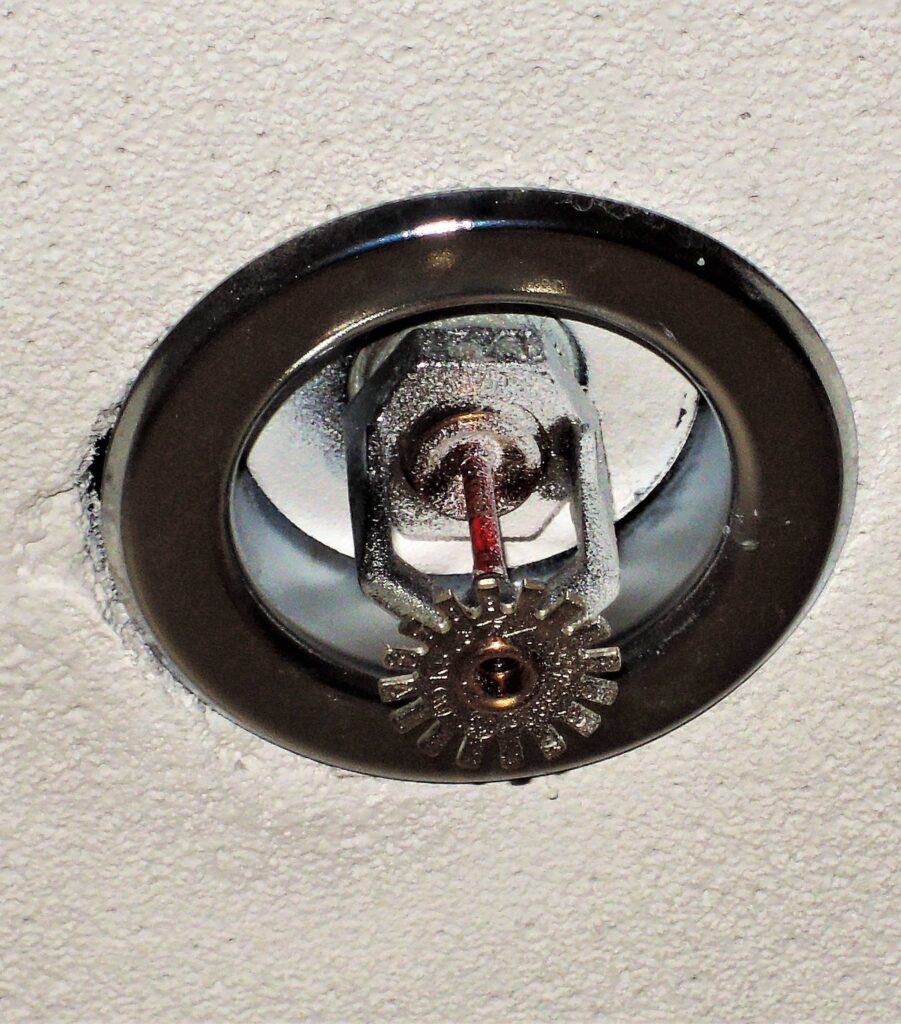
- Fire sprinkler systems
- Boilers or hydronic heating systems
- Cooling towers
- Irrigation systems
- Process water systems
- Large water heaters or storage tanks
- Regulations That Apply to Commercial Properties
Backflow events at commercial sites have caused nationwide contamination issues involving:
- Heavy metals
- Industrial fluids
- Chemical cleaners
- Fertilizers and pesticides
- Fire suppression chemicals
- Boiler water
- Bacteria from processed water
Steps to Maintain Compliance for Commercial Properties
- Install the correct Backflow Prevention Assembly.
- Device type is determined by hazard level (e.g., RPZ, DCVA, PVB, Detector Assemblies for fire systems).
- Submit annual testing – All commercial backflow prevention assemblies must be tested every 12 months by a Certified Backflow Assembly Tester. A list of testers is provided on this page.
- Confirm that hired Inspector reports inspection results to Fayetteville PWC.
- If required, complete repairs promptly – Failed devices must be repaired or replaced within the timeframe listed on PWC’s compliance notice.
- Keep equipment accessible – Assemblies must remain visible, unobstructed, and protected from freezing or damage.
- Maintain accurate records – PWC may require documentation for audits or inspection of compliance status.
New Construction and Renovation Requirements
Developers, contractors, and engineers must work with PWC during planning and permitting to ensure:
- The correct device type is selected
- Proper installation locations are approved
- Fire suppression and irrigation systems meet cross-connection requirements
- Test reports are submitted before activation of service
Who to Contact with Questions
Non-Residential backflow prevention questions, testing requirements, or compliance concerns should be referred to PWC’s Environmental System Protection Team at (910) 223-4703 or email at EnvironmentalSystemProtection@faypwc.com